
Introduction
Replacing old windows is an excellent way to improve the appearance, comfort, and functionality of a home. Among the many options available today, UPVC windows have become a preferred choice due to their durability, energy efficiency, and minimal maintenance requirements. However, selecting the right replacement windows involves more than simply choosing a design that looks attractive. Factors such as performance, security, ventilation, and installation quality should also be considered. Understanding these aspects can help homeowners make an informed decision and enjoy long-lasting benefits from their investment.
1. Identify the Purpose of the Replacement
Before selecting new windows, determine what improvements you want to achieve. Some homeowners replace windows because of visible damage, while others want better insulation, improved ventilation, or a fresh appearance.
Understanding your primary goal helps narrow down suitable options. For example, if outside noise is a concern, sound-reducing glazing may be beneficial. If rising energy costs are the issue, focus on windows designed to improve thermal performance.
2. Choose a Design That Fits Your Home
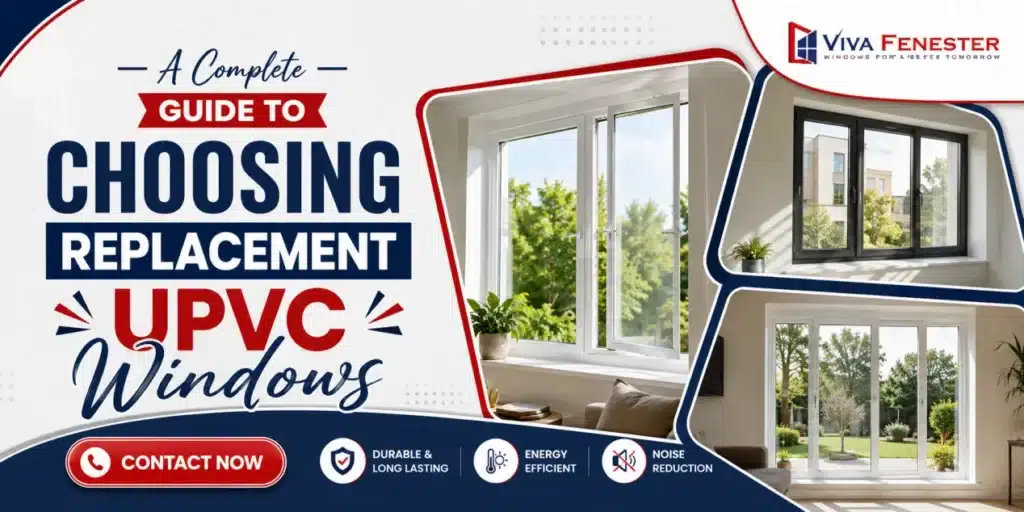
UPVC windows are available in a variety of styles, each offering different advantages. Choosing a design that matches your home’s layout and architectural appearance can improve both functionality and visual appeal.
Popular options include:
- Casement Windows – Suitable for ventilation and easy operation.
- Sliding Windows – Ideal for areas with limited opening space.
- Tilt and Turn Windows – Provide flexible ventilation and simple cleaning.
- Fixed Windows – Best for areas where natural light is needed without ventilation.
- The right style should complement both the exterior and interior of the property.
3. Prioritize Thermal Performance
One of the major advantages of UPVC windows is their ability to improve energy efficiency. Well-designed windows help maintain indoor temperatures by reducing heat transfer between the inside and outside environment.
Look for features such as:
- Double or triple glazing
- Insulated frame systems
- Weather-resistant sealing
- Energy-rated glass units
These features can contribute to a more comfortable indoor environment throughout different seasons while reducing energy consumption.
4. Choose the Most Suitable Glass Type
Glass selection plays an important role in window performance. Different glass options offer varying levels of privacy, safety, and insulation.
Common choices include:
- Low-Emissivity Glass
- Designed to reduce heat transfer and support better indoor temperature control
- Safety Glass
- Tempered or laminated glass provides additional protection and durability.
- Privacy Glass
- Frosted or patterned glass allows natural light to enter while limiting visibility.
- Acoustic Glass
Selecting the appropriate glass can enhance both comfort and practicality
5. Evaluate Frame Strength and Longevity
Although UPVC is known for its durability, the quality of frames can vary between manufacturers. High-quality frames are designed to withstand changing weather conditions without fading, cracking, or losing their shape.
When comparing options, consider:
- Frame thickness
- Reinforcement materials
- Surface finish quality
- Resistance to moisture and sunlight
Choosing a reliable product can help maintain appearance and performance for many years.
6. Pay Attention to Security Features
Windows play an important role in home security. Modern UPVC systems often include advanced features that help improve protection against unauthorized access.
Useful security features may include:
- Multi-point locking systems
- Reinforced frames
- Toughened safety glass
- Secure hinge mechanisms
- Anti-lift or anti-tamper protection
Investing in windows with strong security measures can provide greater peace of mind for homeowners and families.
7. Work with an Experienced Installation Team
Even the highest-quality windows may not perform properly if installation is carried out incorrectly. Professional installation helps ensure proper fitting, insulation, and long-term performance.
Before making a decision, consider:
- Customer reviews and feedback
- Previous project examples
- Product warranties
- Installation guarantees
- Industry certifications
An experienced installer can also provide guidance on selecting the most suitable window solutions for your property.
Conclusion
Choosing the right UPVC windows for replacement windows requires careful consideration of design, performance, durability, security, and installation quality. By understanding your requirements and comparing available options, you can select windows that improve comfort, enhance energy efficiency, and complement the appearance of your home. High-quality UPVC windows provide long-term value while requiring minimal maintenance, making them a practical choice for modern residential spaces.